About Restored Network
Restored Network gives a family one account to guide a loved one through the federal system, from indictment to restoration, with churches, support hubs, ministries and partners alongside.
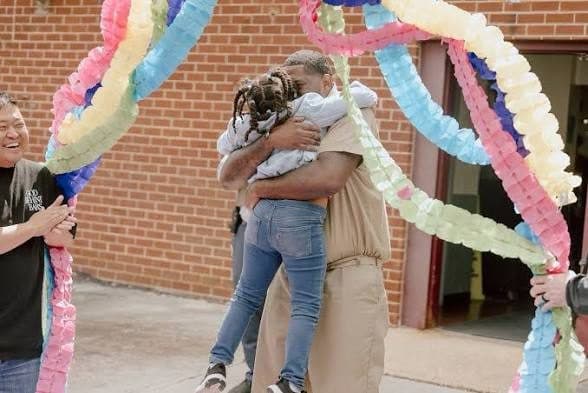
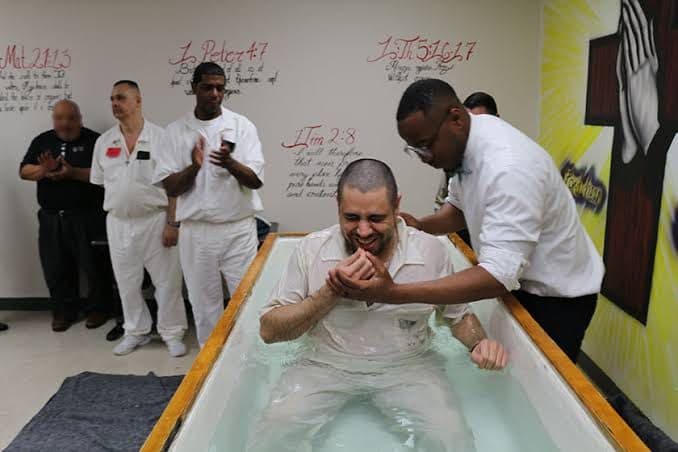
Where it came from
The program started as a handwritten sheet: seven phases, what each one needs, and who should be in the room. The platform is that sheet turned into checklists, a document vault, a credit estimator, drafted letters and a directory of people who help. The family manages the account the whole way.
Our first church partner, BRAVE Church in Denver, runs church campuses inside two prisons: the Buena Vista Correctional Complex (Colorado Department of Corrections) and the federal ADX in Florence.
Why this exists
Families lose months to confusion that a single checklist would prevent. People walk out of a gate with nobody waiting. Neither has to happen. This network exists so that from the day of the charge, a family knows the next step, and a church near home can be ready.
What it is, and is not
- It is free to use. There is no paid plan today.
- It is information and logistics. It is not legal advice. Legal questions go to your attorney.
- It never sends, forwards or receives messages to or from an incarcerated person. The family sends every message through their own account.
- It never holds, moves or requests money. Deposits go through official BOP channels.
- Case records belong to the family members on the case. A small Restored Network team can see the basic case record to give support, and partners see only what a family chooses to send them.
- It is not part of, or affiliated with, the Federal Bureau of Prisons.
How partnering works
The directory is curated. Partners are added and approved by Restored Network, not by self-listing. A listing marked Verified partner has a confirmed working relationship with Restored Network. Every other listing is a planned partner or example referral, with no affiliation implied.
Invited partner users get a simple inbox where they see introduction requests from families and reply. A partner sees the family member's name and message, their phone or email only if the family ticks the box to share it, and, after accepting, the loved one's profile only if the family turns sharing on. Partners never see the register number, facility, dates or documents.
To be considered as a partner, email [email protected].
Questions
Read the privacy notice and terms, or write to [email protected].